
Spa Leaks in Pueblo County: Where Water Goes and Why It Matters
A built-in spa (whether attached to a pool or as a standalone structure)operates at water temperatures typically between 99 and 104 degrees Fahrenheit. When a spa leaks, it loses not just water volume but the energy invested in heating that water. In Pueblo County where natural gas and electric rates affect operational costs, a spa that requires constant refilling and reheating represents a meaningful ongoing expense beyond the visible water loss on the Pueblo Board of Water Works bill.
Spas in Pueblo County are found primarily in the Country Club, Regency Park, Aberdeen, and Highland Park neighborhoods where larger residential properties accommodate them, and in rural settings in the Rye, Beulah, and Colorado City areas where properties have the space and privacy that spa installation typically requires.
Spa Leak Sources and Detection
Jet Body Fitting Failures
Jet fittings are the most common spa leak source. Each jet penetrates the spa shell and is sealed with a threaded body and a gasket. The jet body is exposed to constant water chemistry, spa water is maintained with higher chemical concentrations than pool water due to the smaller volume and higher temperature, and to the mechanical stress of jet operation. Jet body gaskets deteriorate and jet body threads can crack, particularly in older acrylic spa shells where the shell material around the fitting has also aged and lost flexibility.
Dye testing at individual jet bodies while the jets are off and the water is still locates failing fittings. The dye is drawn through any active gasket or body failure rather than dispersing into the spa water. This method works without draining the spa and identifies the specific jet or jets that need gasket replacement or body replacement.
Shell Cracks in Acrylic and Gunite Spas
Acrylic spa shells develop stress cracks over time from thermal cycling: the repeated heating and cooling of spa sessions creates expansion and contraction stresses that concentrate at shell transitions, seat edges, and jet mounting locations. Surface cracks in the gel coat are cosmetic; cracks that penetrate through the shell thickness leak water.
In Pueblo County's semi-arid climate, spas that are not kept full and maintained at temperature through winter, particularly in the Rye and Beulah mountain-community properties where winter temperatures are significantly colder than in Pueblo proper, are vulnerable to freeze damage. An acrylic shell that froze and cracked during a power outage or an extended unoccupied period may have multiple structural failures that require professional evaluation before repair scope can be determined.
Pueblo County's real winter freeze risk is as relevant for spas as it is for household plumbing. A spa that is drained rather than maintained through winter avoids freeze risk but requires thorough drying of the plumbing and equipment to prevent residual water from freezing in the system.
Circulation Plumbing Failures
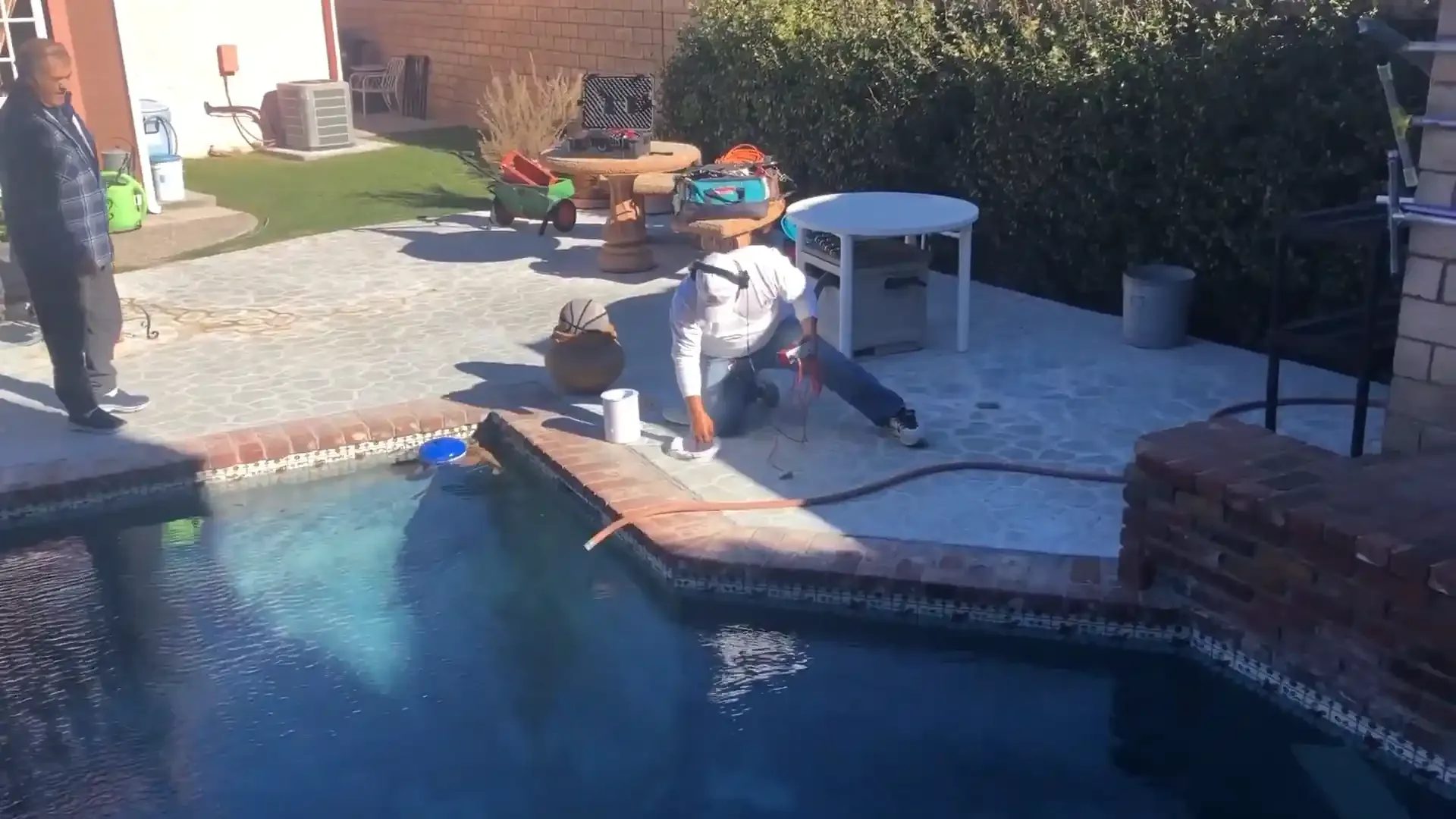
Spa circulation plumbing, the pipes connecting the pump, heater, filter, and jets, runs under and around the spa shell, typically within a foam insulation layer in portable spas or buried in concrete in built-in installations. A plumbing failure in a built-in spa requires locating the failure point before any concrete or decking is disturbed. Pressure testing isolates which circuit is losing pressure; electronic listening locates the failure within that circuit. Call (303) 552-3896 for spa leak detection and repair anywhere in Pueblo County.