Pool Leaks in Pueblo County: Context and Detection
Pool ownership in Pueblo County is less common than in many regional markets. Pueblo's semi-arid working-class character and historically lower median household income have kept pool prevalence at roughly 15 to 20 percent of residential properties. The pools that do exist are concentrated in the Country Club, Regency Park, Belmont, and Aberdeen neighborhoods, and in rural properties in Avondale, Boone, and the Rye area where larger lot sizes accommodate pool installations.
When a Pueblo County pool is losing water, the first challenge is confirming that the loss is a leak rather than evaporation. Pueblo's semi-arid climate and high altitude UV environment produce meaningful evaporation from pool surfaces: a pool in the Arkansas River valley can lose half an inch to an inch of water per week to evaporation alone during summer months. The bucket test establishes the baseline: a bucket of pool water set on a step at the same water level as the pool loses water at the same evaporation rate as the pool itself. If the pool loses measurably more water than the bucket over 24 hours with the pump off, a leak is confirmed.
Pool leaks in Pueblo County fall into two categories: structural failures (the shell, liner, or fittings in the pool wall) and plumbing failures (the circulation lines, return lines, skimmer plumbing, and equipment connections). Each category has distinct detection methods and repair approaches.
Structural Pool Leak Detection
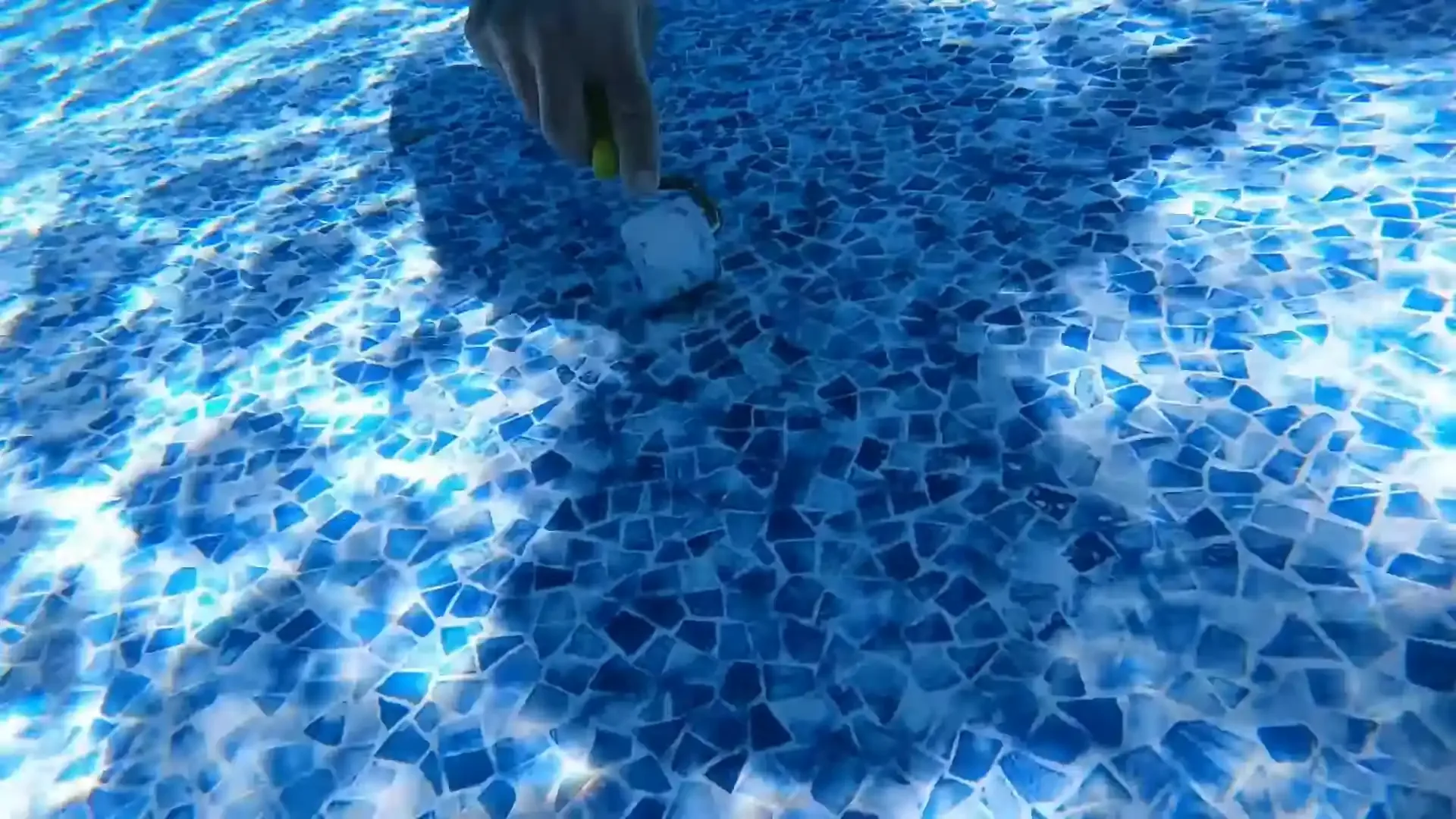
Once a leak is confirmed, the dye test isolates the structural leak location. A small amount of dye is released near suspected areas, cracks in plaster or vinyl, fitting penetrations, skimmer mouths, return jets, and the main drain cover, while the pool water is still. Where the dye is drawn through the pool wall rather than dispersing into the pool water, the leak entry point is identified. This method works for liner tears, skimmer cracks, return fitting failures, and main drain perimeter failures.
Pueblo's expansive clay soils create a specific structural failure risk for inground concrete and plaster pools. Clay movement beneath the pool shell can produce differential settlement (one end of the pool shifting relative to the other)that opens structural cracks in the shell or stresses the return line penetrations through the pool wall. Pools in parts of Pueblo County's East Side and in the Boone area, where bentonite clay concentrations are higher, show this pattern more frequently than pools in alluvial-soil zones near the Arkansas River.
A structural crack that is actively drawing dye confirms the repair location. The pool is typically drained to the crack level, the crack is chiseled out and patched with hydraulic cement or epoxy, and the repair is cured before refilling.
Plumbing Pool Leak Detection
Pool plumbing leaks, in the return lines, suction lines, or equipment connections, are detected with pressure testing. The plumbing lines are isolated and pressurized with air or water. A pressure drop with no structural dye test finding confirms the leak is in the buried plumbing rather than the pool shell. Electronic listening equipment placed at the ground surface above the buried lines then locates the pressure loss within the line run.
Skimmer Plumbing Failures
The skimmer body and its connection to the suction line are among the most common pool plumbing leak points in Pueblo County. The plastic skimmer body can crack from freeze-thaw cycling. Pueblo's real winter lows mean that a pool not properly winterized can freeze at the skimmer throat, cracking the body. The connection between the skimmer and the underground suction line can separate from ground movement. A skimmer plumbing failure typically produces water loss that is faster when the pump is running and slower when it is off, distinguishing it from a structural shell leak.
Return Line Failures
Return lines carry filtered water back into the pool under pump pressure. A crack or joint failure in a buried return line leaks water into the surrounding soil under pump operation. Detection with pressure testing and ground acoustic listening locates the failure without excavating the full line. Call (303) 552-3896 for pool leak detection and repair throughout Pueblo County.