
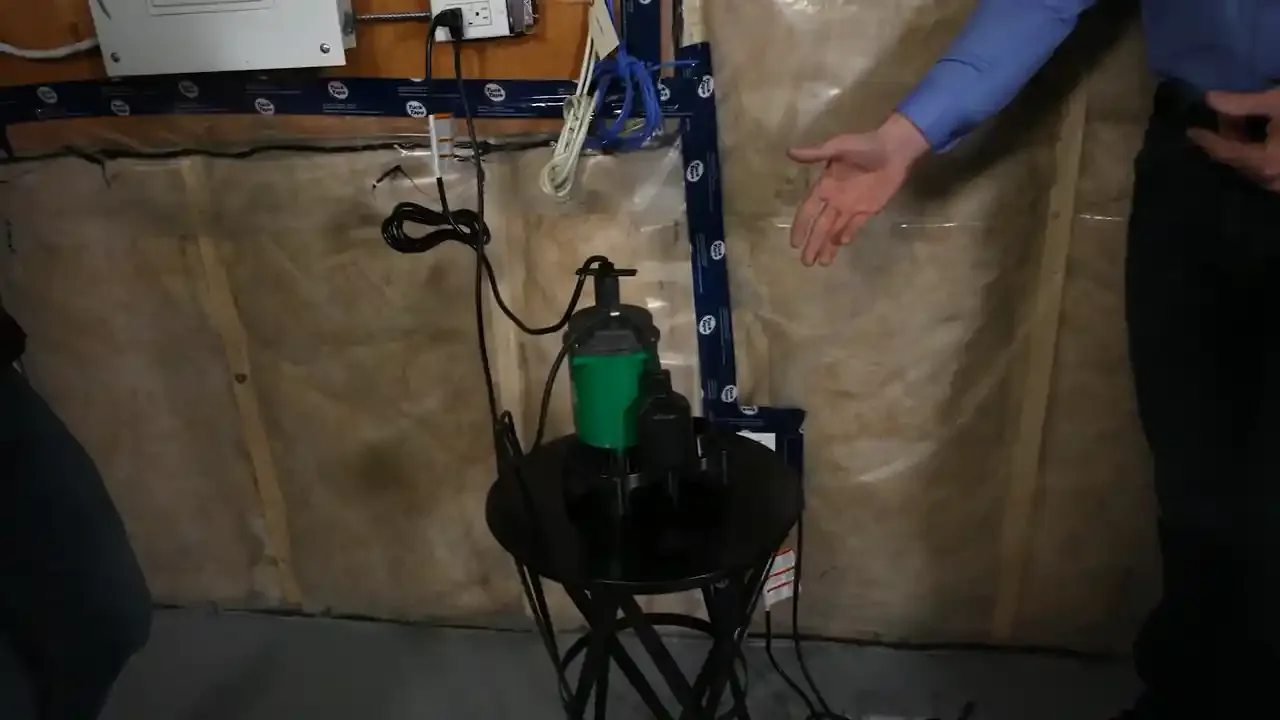
Sump Pump Systems in Pueblo County: When They Leak and Why It Matters
Sump pump systems are most common in Pueblo County homes with basements, concentrated in the historic Bessemer, Mesa Junction, Downtown Pueblo, Highland Park, and Salt Creek neighborhoods where the original housing stock from the 1900s through 1950s was built with basement construction. These systems manage groundwater that rises into the basement during high-moisture periods: spring snowmelt from the Sangre de Cristo Mountains and Front Range feeding the Arkansas River drainage, and the periodic intense rainfall that Pueblo's semi-arid climate delivers in monsoon-pattern late summer events.
A sump pump system has several components: the pit itself, the pump, the check valve above the pump, and the discharge line that carries water from the pit to an exterior discharge point. A leak anywhere in this system has two distinct consequences depending on where it occurs. A discharge line leak allows water the pump has collected to re-enter the home rather than exit it, sometimes directly back into the basement if the discharge line routes along the interior before exiting through the foundation. A pit seal leak or connection failure allows groundwater to bypass the pump collection point, saturating the surrounding foundation and basement floor.
Common Sump System Leak Points in Pueblo County Homes
Discharge Line Failures
The discharge line carries water from the sump pit under pressure during pump operation. In older Pueblo County installations (Bessemer and Downtown homes where sump systems were added during basement waterproofing projects in the 1970s and 1980s: the discharge line may be original schedule 40 PVC with solvent-cement fittings. These joints are subject to the same age-related failure modes as other PVC drain systems: solvent-cement brittleness at fitting connections, separation at bell ends under vibration from pump operation, and joint stress from seasonal thermal movement.
A discharge line leak that routes through the basement interior is immediately apparent: the pump runs, water flows from the pit, and then returns to the basement floor from the leak point. A discharge line leak that occurs outside the foundation, in the buried exterior section that carries water from the foundation penetration to the discharge location, produces a wet area in the yard near the discharge route. In Pueblo's semi-arid summer months, that wet zone is conspicuous.
Check Valve Failure
The check valve above the sump pump prevents water in the discharge line from flowing back into the pit when the pump stops. A failed check valve, one whose flapper seal has corroded, cracked, or become fouled with debris, allows the column of water in the discharge line to drain back into the pit after each pump cycle. The pump then runs more frequently to re-remove the same water. In severe cases, the pump runs almost continuously, wearing out the motor prematurely. Check valve replacement is a simple repair when the valve is accessible; in some older Bessemer installations where the check valve is buried behind finished basement wall, access requires careful planning.
Pit Seal and Connection Leaks
The sump pit is typically a plastic or concrete liner set in the basement floor. The perimeter drain channels that feed groundwater into the pit connect at the pit wall. When these connections crack or separate, from concrete shrinkage, foundation settlement, or simply age. Water bypasses the collection system and saturates the basement floor rather than flowing to the pit. Detecting this requires inspecting the pit connections during an active wet period, or introducing controlled water to trace the flow path.
A sump pump system that is leaking or malfunctioning in May, during Pueblo County snowmelt, is a system that needs immediate repair. The period of highest groundwater demand is not the time to discover the system is compromised.
Call (303) 552-3896 for sump pump leak detection and system repair throughout Pueblo County. We serve all of Pueblo's historic basement neighborhoods as well as Avondale, Florence, Cañon City, and the broader Pueblo County service area.