
Garbage Disposal Leaks in Pueblo County Homes
A garbage disposal sits directly under the kitchen sink, in an enclosed cabinet with no drainage path for water that escapes the unit. When the disposal develops a leak, the cabinet floor absorbs the water, particleboard cabinet floors swell and delaminate quickly when saturated, and the sub-floor beneath may begin to take on moisture before the leak is discovered. In Pueblo County's mid-century Belmont, Country Club, and University Park kitchens where the original cabinet installation may be 40 or 50 years old, the materials are susceptible to rapid moisture damage.
Nearly all garbage disposal leaks originate at one of three locations. Identifying the correct one on the first inspection determines whether the repair is a seal replacement, a component replacement, or a full unit replacement.
Sink Flange and Mounting Seal Failure
The disposal mounts to the sink drain opening through a sink flange: a metal ring that sits in the sink basin opening and is sealed with plumber's putty against the underside of the sink. Over time, the putty seal dries out and cracks, or the mounting screws that hold the disposal to the flange loosen from the vibration of disposal operation. When the flange seal fails, water leaks from the top of the disposal, at the very point where it connects to the sink. This leak drips only when the sink is running, not during disposal operation alone.
In Pueblo County's older kitchens, the original plumber's putty may have been in place for decades. Dried putty no longer creates a watertight seal regardless of mounting screw tightness. Reseating the flange with fresh putty and retightening the mounting assembly resolves this failure. If the mounting ring itself is cracked or the sink drain opening has corroded around the flange, the repair scope expands to include sink drain restoration.
Dishwasher Drain Connection Failure
Most garbage disposals have a side inlet for the dishwasher drain hose: a barbed connection where the drain hose attaches with a hose clamp. When the hose clamp corrodes, loosens, or the hose itself cracks at the connection point, water leaks from this side inlet whenever the dishwasher runs. The leak occurs mid-cabinet-height rather than at the disposal base, which distinguishes it from a body crack, and it correlates exactly with dishwasher operation timing.
Hose clamp replacement or drain hose replacement at the disposal connection resolves this failure. In Pueblo County's hard water environment, mineral scale buildup inside the dishwasher drain hose can also create back-pressure that stresses the connection: a thorough inspection of the full drain hose from dishwasher to disposal inlet is part of the repair assessment.
Disposal Body Cracks
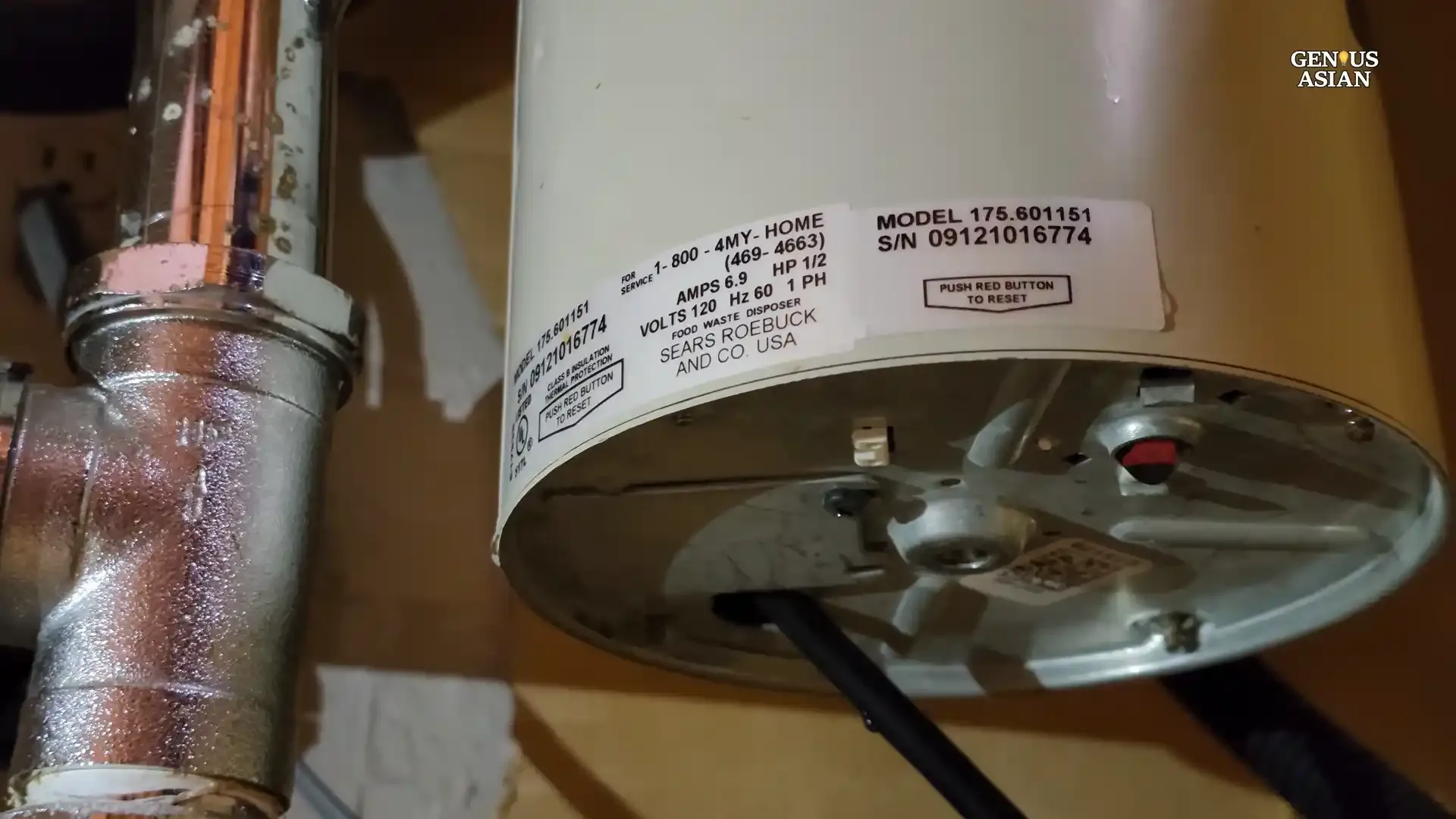
The disposal body itself (the metal housing around the grinding mechanism)can develop cracks, particularly at the reset button area on the bottom of the unit or at internal seal points. A body crack produces a leak from the bottom of the disposal that drips whenever water runs through the unit. This failure is not repairable: a cracked disposal body requires full unit replacement. The distinction from a flange seal failure (which also drips from the disposal top-to-middle area) is that a body crack leaks during both sink use and disposal operation, not just when the sink drains. Call (303) 552-3896 for garbage disposal leak detection and repair throughout Pueblo County.