
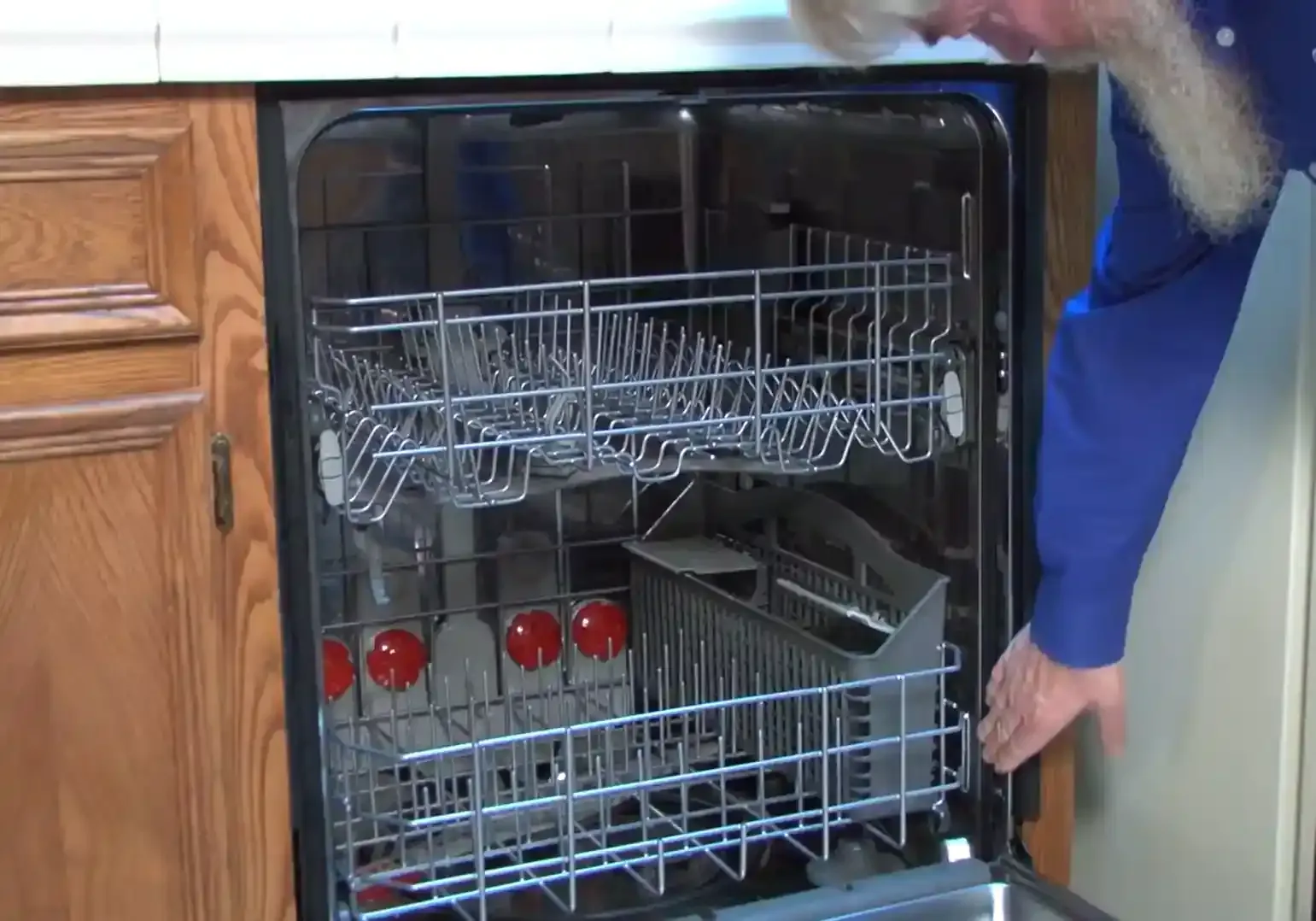
Dishwasher Leaks in Pueblo County Homes: Where Water Goes
A dishwasher is installed under the kitchen counter, recessed into a cabinet opening with a finished toe kick at the base. Water that leaks from the dishwasher during a cycle runs forward onto the kitchen floor or (more commonly)beneath the unit and into the subfloor decking below. The subfloor beneath a dishwasher that has been leaking for weeks can be significantly damaged before any visible water appears at the floor surface. In Pueblo County's mid-century Belmont, Regency Park, and Eastwood Heights homes where the kitchen flooring is original 1960s or 1970s vinyl, the floor material itself may show bubbling or softness before the homeowner locates the leak source.
Dishwasher leaks originate at four primary locations. Identifying the correct source determines whether the repair requires a gasket replacement, a valve replacement, a drain hose correction, or a pump seal repair.
Door Gasket and Latch Failures
The door gasket: a rubber seal that runs around the inner perimeter of the dishwasher door, creates a water-tight closure when the door latches. When the gasket tears, hardens, or loses its shape from age and heat cycling, the door seal is incomplete and water sprays out during wash and rinse cycles. Door gasket leaks produce water at the front of the dishwasher, typically along the bottom edge of the door. The leak occurs only during the wash cycle when water is spraying inside the unit, not during fill or drain phases.
Gasket replacement is a part replacement repair. The old gasket is pulled from its channel, and the new gasket of matching dimensions is pressed into place. In Pueblo County's hard water environment, mineral deposits on the gasket seat channel can prevent a proper seal even with a new gasket: the channel should be cleaned before the replacement gasket is installed.
Water Inlet Valve Failures
The water inlet valve controls the flow of hot water from the supply line into the dishwasher tub. The valve is located at the bottom rear of the unit and connects to the household hot water supply with a braided or solid supply line. When the valve's internal solenoid fails, either by not closing fully or by developing a crack in the valve body, water enters the tub continuously or leaks at the valve body connection. An inlet valve that does not close fully causes the tub to overfill; the excess water overflows through the door seal. A cracked valve body leaks under the unit regardless of cycle phase.
In Pueblo County homes where the dishwasher supply connection uses an original 1970s or 1980s metal supply line rather than braided stainless, the supply line itself may be a separate failure point independent of the valve. Compression fitting failures at the inlet valve connection are a common secondary leak source.
Drain Hose Connection and Pump Failures
The drain hose carries used wash water from the dishwasher pump to the sink drain or garbage disposal inlet. A loose connection at either end: the pump outlet inside the dishwasher or the disposal/drain inlet, leaks during the drain phase of the cycle. The leak at the disposal connection is often detectable visually; the leak at the pump outlet requires pulling the unit forward to access.
Pump seal failures, where the dishwasher wash pump or drain pump develops a leak at its shaft seal, produce water beneath the unit during operation that is not associated with any specific connection point. This is a pump replacement repair. For dishwashers with remaining useful service life, pump replacement is cost-effective. For units that are beyond 10 to 12 years old in Pueblo County's hard water environment, where scale buildup on heating elements and spray arm nozzles is already reducing performance, unit replacement may be the more practical recommendation. Call (303) 552-3896 for dishwasher leak detection and repair throughout Pueblo County.