
How Acoustic Leak Detection Works
When pressurized water escapes through a breach in a pipe wall, a pinhole, a crack, a joint separation, it produces sound. The escaping water stream vibrates the surrounding pipe material and the medium through which the pipe runs: concrete, soil, wood framing. Acoustic leak detection equipment is built to pick up these vibrations at frequencies that distinguish a water leak from normal ambient noise, traffic, HVAC, footsteps, structural vibration.
The fundamental physics are straightforward. A leak under pressure produces a broadband sound signal that peaks in the 100 to 1,000 Hz range. This frequency range travels through solid materials, concrete slabs, packed soil, wood framing, more effectively than through air. A listening probe placed against a concrete floor above a slab leak, or at a wall surface above a pipe run, receives the leak signal after it has traveled through the intervening material.
The skill in acoustic leak detection is operator expertise: distinguishing the specific frequency signature of a water leak from the ambient noise floor of a Pueblo County home or commercial building. Background noise in an occupied home, appliances, HVAC, street traffic on nearby Thatcher Avenue or Northern Avenue, requires the operator to work at quiet periods and to use signal filtering to isolate the leak frequency band. Experience with the specific sound character of different pipe materials and leak types: a copper pinhole has a different signature than a galvanized joint failure or a PVC slab crack, is what separates productive detection from inconclusive results.
Equipment Used in Acoustic Leak Detection
Ground Microphones and Contact Probes
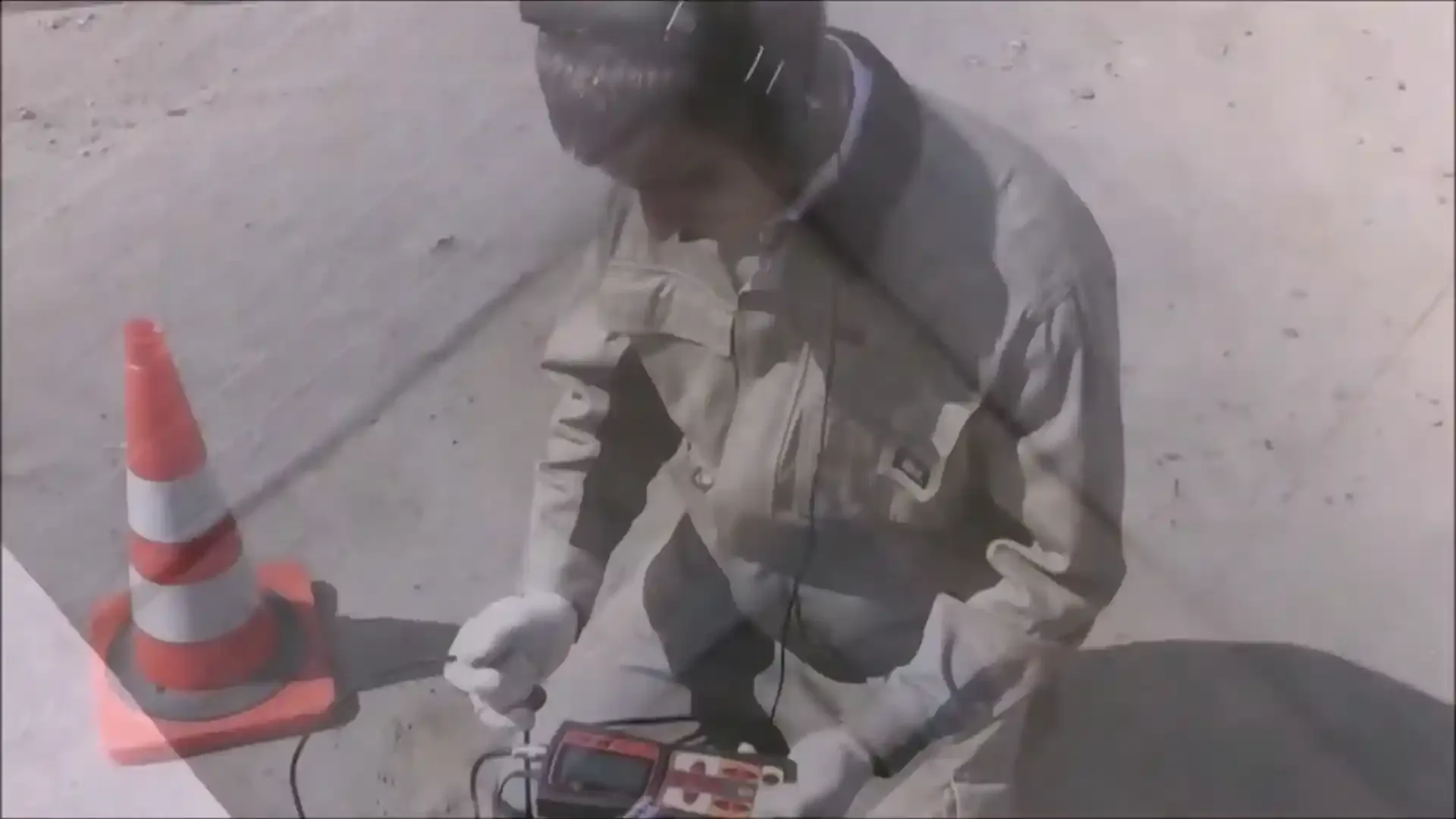
A ground microphone is placed directly against the floor or ground surface above the suspected leak zone. It uses a high-sensitivity microphone element with a contact face that couples acoustically to the surface material. The signal is amplified and filtered, and the operator listens through headphones or observes a visual frequency display. The probe is moved systematically across the surface, and the signal strength peaks as the probe approaches the leak location directly above.
For in-wall pipe failures, the probe is placed against the drywall surface. Drywall transmits acoustic signals from the pipe cavity behind it, though with more attenuation than concrete. A pinhole in a copper supply line running inside a wall cavity in a Belmont or Country Club home is detectable from the exterior wall surface when operating conditions are appropriate.
Acoustic Amplifiers and Filters
Electronic amplifiers boost the received signal from the contact probe into an audible range for headphone monitoring. Bandpass filters remove frequencies above and below the leak signature range, reducing the interference from ambient sources. Digital display units provide visual confirmation of signal strength peaks, useful in high-ambient-noise environments where headphone listening alone is unreliable.
Acoustic detection is most effective on pressurized supply line leaks. It is not the right tool for drain-side failures, which lose water only during active drainage and do not produce a continuous pressure-driven sound. Matching the detection method to the leak type is part of the diagnostic discipline.
Acoustic Detection in Pueblo County's Specific Conditions
Pueblo County's soil conditions affect acoustic leak detection in underground applications. The clay-heavy soil in the East Side and rural county areas toward Boone and Avondale transmits acoustic signals differently than the alluvial sandy soil near the Arkansas River banks. Clay soil's higher density generally transmits lower-frequency leak signals more effectively, which suits acoustic correlator methods for long-run pipeline detection. The sandy alluvial soil near the river absorbs higher frequencies more quickly, requiring probe placement closer to the actual leak source.
Pueblo's 4,700-foot elevation and semi-arid climate create particularly dry soil conditions during summer months, which changes the acoustic coupling between buried pipe and ground surface. Operators experienced in Pueblo County conditions account for soil moisture state when interpreting signal strength. Call (303) 552-3896 for acoustic leak detection throughout Pueblo County.